

Movie Review: Frequency (2000)
A gripping blend of science fiction and emotional drama that proves some connections can transcend even time itself.

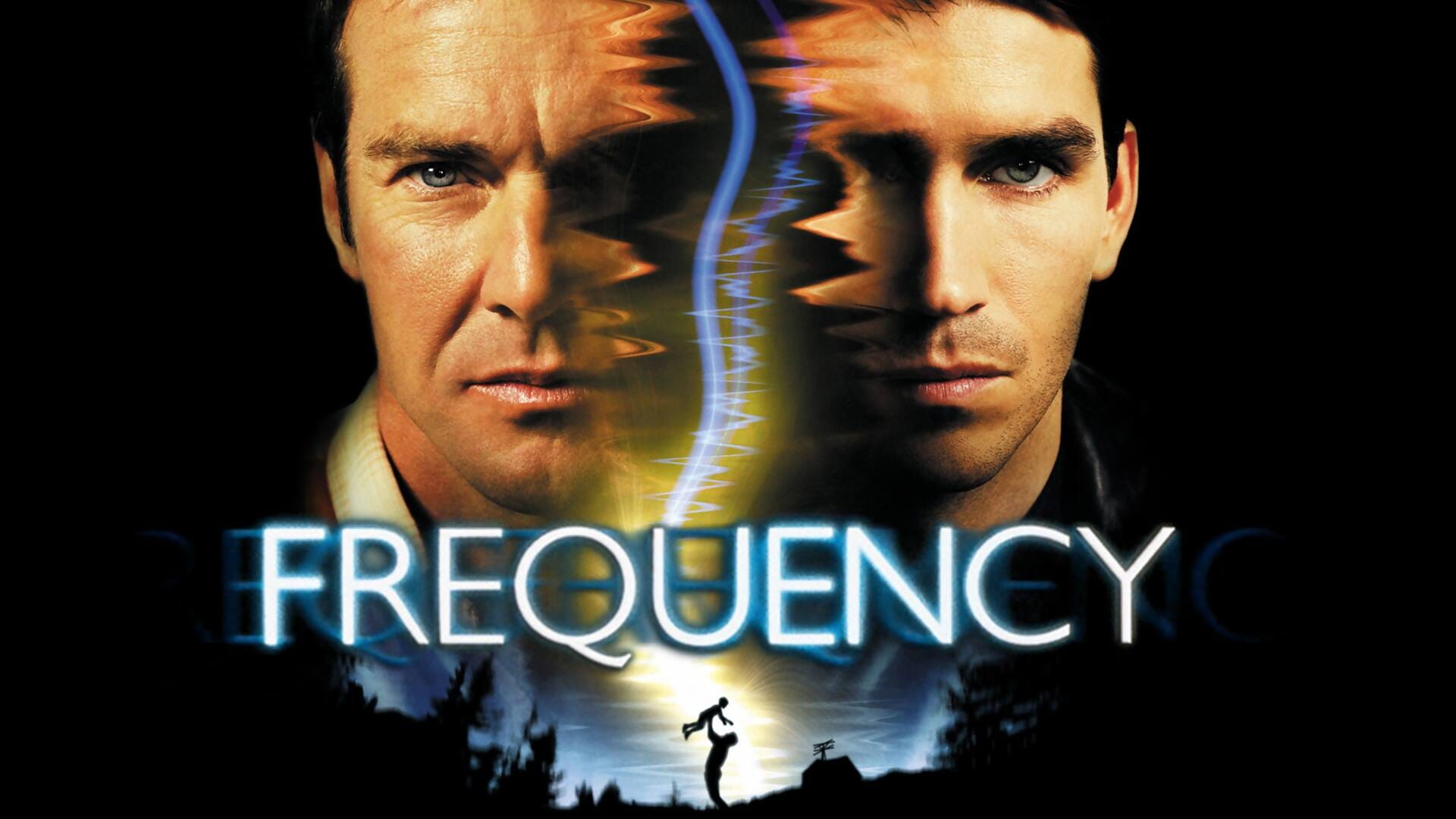
Some films rely on massive special effects or huge action set pieces to capture an audience’s attention. Others take a more subtle route, leaning on storytelling, strong performances and emotional weight. Frequency, released in 2000 and directed by Gregory Hoblit, falls firmly into the second category. It is a science fiction film, but not in the traditional sense. Instead of focusing on futuristic technology or intergalactic adventures, the film tells a deeply personal story about family, regret and the possibility of second chances.
At its core, Frequency is a story about a father and son separated by time but brought together through an extraordinary and unexplained connection. The film manages to blend science fiction, crime thriller and emotional drama into a single narrative that feels surprisingly grounded. What could have easily become a confusing or gimmicky concept instead turns into a compelling and heartfelt experience.
The story centres on John Sullivan, played by Jim Caviezel, a New York police detective who has spent much of his life haunted by the death of his father, Frank Sullivan. Frank, portrayed by Dennis Quaid, was a firefighter who died in a warehouse fire in 1969. For John, the loss of his father at such a young age shaped his entire life. He grows up carrying grief, resentment and the lingering feeling that things might have turned out differently if fate had taken another path.
John now lives in the same house where he grew up, and one night he discovers his father’s old ham radio stored away in the garage. During a rare atmospheric event involving the aurora borealis, the radio suddenly comes to life. John begins speaking with another operator on the frequency, only to slowly realise that the voice on the other end belongs to his father.
The twist is that Frank is speaking from the year 1969.
The concept of communicating across time could easily feel absurd, but the film handles it with surprising sincerity. Rather than spending excessive time explaining the science behind the phenomenon, the story focuses on the emotional implications of what this connection means. The idea that a son could speak to the father he lost decades earlier becomes the emotional backbone of the entire film.
One of the most powerful moments comes when John finally convinces Frank that he is truly his son speaking from the future. The realisation on both sides of the radio is played with genuine emotion. It is not treated as a flashy science fiction reveal, but as an intimate and deeply personal moment between two people who suddenly realise they have been given an impossible opportunity.
Dennis Quaid delivers a standout performance as Frank Sullivan. He portrays the character as warm, charismatic and quietly heroic. Frank is the type of father many people wish they had growing up, someone who is both supportive and brave, yet still human enough to have flaws. Quaid’s performance anchors the film emotionally, making the audience immediately care about his fate.
Jim Caviezel also brings a strong presence to the role of John. His character is more hardened by life, shaped by years of grief and unresolved emotions. Caviezel portrays John as a man who has carried the weight of his father’s death for decades, and the opportunity to speak with him again opens old wounds while also offering a chance at healing.
Their conversations across time form the emotional heart of the film. Through a simple radio connection, father and son begin to rebuild a relationship that was cut short by tragedy.
Naturally, once the past begins to change, the timeline does not remain stable.
John warns Frank about the warehouse fire that will eventually claim his life. Armed with this knowledge, Frank is able to avoid the disaster and survive. For a moment, it seems as though fate itself has been rewritten for the better.
But altering the past has unintended consequences.
The timeline begins to shift in ways neither of them anticipated. Events change, memories alter and new dangers emerge. What initially felt like a miracle quickly becomes a race against time as a serial killer who should have been caught decades earlier continues to operate, threatening lives in both timelines.
At this point, Frequency transforms from an emotional family drama into a tense detective thriller. Father and son must work together across thirty years to stop the killer and repair the damage done to the timeline.
The film handles its time travel mechanics in a clever and engaging way. Instead of relying on complicated explanations or scientific jargon, the story focuses on cause and effect. When Frank changes something in 1969, John immediately experiences the consequences in the present. Photographs change, memories shift and sometimes entire realities are rewritten in front of him.
These moments create some of the film’s most memorable scenes. Watching the present day environment physically alter itself in response to actions in the past adds a sense of urgency and tension to the narrative.
Another strength of the film is its pacing. Frequency never feels rushed, but it also never drags. The story carefully balances emotional conversations between father and son with suspenseful moments involving the investigation of the killer. The result is a film that keeps the audience engaged on multiple levels.
The visual style of the film also contributes to its atmosphere. Much of the story takes place during autumn, with muted colours and quiet suburban settings creating a slightly melancholic tone. The scenes involving the radio conversations are often dimly lit, adding a sense of intimacy and mystery to those moments.
The aurora borealis event that triggers the time connection gives the story a slightly supernatural edge without pushing it too far into fantasy. The film maintains a grounded feeling throughout, which helps the audience accept the central premise.
Michael Kamen’s musical score deserves special mention as well. The music subtly enhances the emotional moments without overwhelming the scenes. It adds depth to the father son relationship and heightens the tension during the thriller elements of the story.
Of course, the film is not without its flaws. The explanation for how the radio connects across time is extremely vague. The aurora borealis creates a strange atmospheric anomaly and somehow the radio acts as a bridge between two points in time. That is essentially all the explanation the audience receives.
However, trying to provide a detailed scientific explanation might have weakened the story. The film works best when the focus remains on the characters and their emotional journey rather than the mechanics of time travel.
Another minor criticism is that some of the thriller elements become slightly predictable toward the end of the film. The final confrontation follows a fairly traditional structure for crime thrillers. Even so, the emotional investment built throughout the story ensures that the climax still feels satisfying.
What ultimately makes Frequency stand out is its emotional core. Beneath the science fiction premise and the thriller storyline is a deeply human story about loss, regret and the longing for connection. Many people have experienced the pain of losing someone and wondering what they would say if they had one more chance to speak with them.
The film taps into that universal feeling and builds an entire narrative around it.
Rating: ★★★★☆ (4 out of 5 stars)
Final Thoughts
Frequency is one of those films that tends to stick with you long after the credits roll. It is not simply because of its clever premise or the suspenseful storyline. What really makes the film memorable is the emotional resonance that sits at the centre of the story. Beneath the science fiction elements and the crime thriller plot lies a very relatable idea about family, loss and the desire for closure.
The film explores a question that many people have probably asked themselves at some point in their lives. If you could speak to someone from your past again, even for just a few minutes, what would you say? Would you try to change events, warn them about something or simply tell them the things you never got the chance to say? Frequency takes that emotional concept and turns it into a powerful narrative.
Dennis Quaid’s performance as Frank Sullivan is a huge part of why the film works so well. He brings warmth and authenticity to the role, making Frank feel like a real person rather than just a character in a time travel story. His portrayal of a loving father who is unknowingly shaping the future of his son gives the film its emotional foundation.
Jim Caviezel complements that performance with a portrayal of a man who has spent decades carrying unresolved grief. John Sullivan begins the story as someone emotionally guarded and weighed down by the past. As the film progresses, those conversations with his father slowly begin to heal the wounds that have defined his life.
Watching that relationship grow across two different timelines is one of the most satisfying aspects of the movie. Even though they are separated by thirty years, Frank and John begin to understand each other in ways that might never have happened if Frank had lived long enough to see his son grow up.
The thriller aspect of the story also adds another layer of tension and excitement. The idea that small actions in the past can drastically alter the future keeps the audience invested in every decision the characters make. Each time Frank changes something in 1969, the ripple effect in the present creates a sense of urgency that drives the narrative forward.
What makes these moments particularly effective is how personal the stakes remain. The changes in the timeline are not just abstract concepts or large scale disasters. They affect the lives of the people closest to John and Frank, especially John’s mother. This keeps the story grounded and emotionally engaging even as the plot becomes more complex.
Another strength of Frequency is how confidently it blends genres. The film shifts between emotional drama, science fiction and crime thriller without ever feeling disjointed. Many films struggle to balance multiple tones, but Frequency manages to weave them together in a way that feels natural and cohesive.
More than two decades after its release, the film still feels fresh and engaging. While technology and filmmaking styles have evolved since 2000, the core themes of Frequency remain timeless. Stories about family, second chances and the consequences of our choices never really go out of style.
The film also stands out because it relies more on storytelling than spectacle. In an era where many science fiction films aim to overwhelm audiences with visual effects, Frequency proves that a strong idea and compelling characters can be just as powerful.
It is the type of movie that leaves viewers reflecting on their own lives and relationships. It encourages people to think about the importance of the conversations they have with the people they love and the moments that shape their personal history.
Ultimately, Frequency succeeds because it is both entertaining and emotionally meaningful. It delivers suspense, clever storytelling and heartfelt performances while also exploring themes that resonate on a deeply human level.
For viewers who enjoy films that combine an intriguing concept with genuine emotional depth, Frequency remains a standout example of how science fiction can tell profoundly human stories. Even years after its release, it continues to resonate as a film about connection, regret and the hope that sometimes the past might not be as unreachable as we think.